Strength training is a key component of fitness, often overshadowed by the misconception that it’s primarily for men or those seeking bulky muscles. However, women worldwide are increasingly embracing the immense benefits of lifting weights. From sculpting lean muscle to burning body fat, strength training offers a holistic approach to fitness that goes far beyond aesthetic changes.
Lifting weights increases lean muscle mass, which plays a crucial role in enhancing metabolic rate. More muscle means your body burns more calories at rest, making weight management more effective.
The Benefits of Strength Training for Women
Enhanced Weight Loss and Metabolic Rate
One of the most significant advantages of strength training is its ability to transform the body’s calorie-burning capacity. Building muscle through weight lifting not only aids in losing weight but also helps maintain it. A higher muscle mass increases the resting metabolic rate, allowing you to burn more calories even when not exercising.
Improved Bone Density and Joint Health
As women age, the risk of osteoporosis rises. Strength training combats this by improving bone density. It also strengthens the muscles around the joints, providing better support and reducing the risk of falls and injuries.
Regular weight training alleviates pain and improves joint function, which is especially beneficial for individuals with arthritis. Additionally, building muscle mass and boosting metabolic rate helps manage obesity, a major risk factor for chronic diseases such as heart disease, diabetes, and certain cancers.
Boosted Mental Health and Confidence
The mental health benefits of strength training are often understated. Regular weightlifting reduces symptoms of anxiety and depression and fosters a sense of empowerment and confidence as you see your body grow stronger.
Weight training triggers the release of endorphins, natural mood enhancers, which can be particularly helpful for managing symptoms of depression and anxiety in individuals with chronic health conditions.
Cardiovascular Health and Chronic Disease Management
Strength training can reduce cardiovascular risk factors by lowering blood pressure, improving cholesterol levels, and supporting healthy blood vessels.
It also enhances insulin sensitivity, which helps regulate blood sugar levels and reduces the risk of type 2 diabetes. Additionally, strength training can lower levels of inflammatory markers like C-reactive protein (CRP) and interleukin-6 (IL-6), reducing chronic inflammation and the risk of associated diseases such as atherosclerosis.
As we age, we naturally lose muscle mass—a condition called sarcopenia. Strength training preserves muscle strength and mass in older adults, maintaining mobility and independence.
How to Incorporate Strength Training into Your Routine
Building a Foundation: Beginner’s Guide
For beginners, it’s essential to focus on proper form and gradually increase workout intensity. Start with bodyweight exercises such as planks and lunges, then introduce weights gradually.
Strength Training at Different Life Stages
Young Adults
Young adults benefit from strength training by building a strong foundation for lifelong physical fitness.
During and After Pregnancy
Strength training can be safely practiced during and after pregnancy with modifications and proper guidance, helping maintain strength and supporting postpartum recovery.
Senior Women
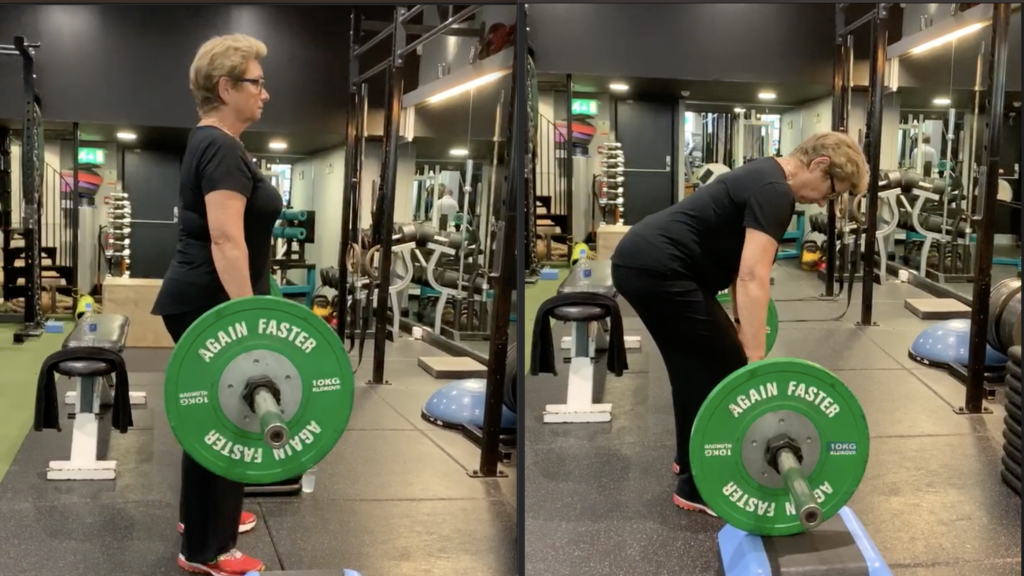
For senior women, strength training is crucial for preserving muscle mass, bone density, and independence. Using lighter weights with higher repetitions is especially effective.
Balancing Strength Training with Other Forms of Exercise
While strength training is vital, it’s important to maintain a balanced fitness routine by incorporating cardiovascular exercises like running or swimming to enhance endurance and overall fitness.
Understanding the Benefits of Both
- Strength Training: Builds muscle, increases metabolic rate, improves bone density, and enhances overall strength.
- Cardiovascular Exercise: Improves heart health, burns calories, and boosts endurance.
Combining Strength and Cardio for Maximum Effect
- Enhanced Calorie Burn: Combining both leads to higher overall calorie expenditure. Strength training continues burning calories post-workout due to muscle repair and Excess Post Oxygen Consumption (EPOC).
- Improved Fitness and Endurance: Cardiovascular fitness supports strength training by increasing stamina, allowing more intense and effective workouts. Training in heart rate zones improves heart efficiency and endurance, lowering resting heart rate.
Connect and Train With Me
If you have questions or would like to train with me—either personally at a training facility in London near Gt. Portland St and Regent’s Park, or online—please call me on 07881 554636.
You can also join my community on Instagram @kayvanseyri or follow my YouTube channel for inspiration, practical advice, and uplifting content. For in-depth program guidance, visit www.kayvanseyri.com.
Let’s embark together on a transformative journey to a stronger, healthier version of yourself.