A strong, defined back is one of the key foundations of a well-rounded fitness routine. Whether you’re an athlete, a gym-goer, or simply someone who values good posture and a toned physique, building strength in your back muscles is essential.
Among the various equipment available for Back training, the cable machine stands out for its versatility and ability to target different muscle groups with great precision.
In this comprehensive guide, we will explore the benefits of cable back exercises, offer a step-by-step breakdown of various back exercises on the cable machine, and share tips to help you develop strength, definition, and overall fitness.
Whether you’re a beginner or a seasoned lifter, the cable machine for back exercises can offer a great way to strengthen your back without the need for heavy free weights.
Why Strengthen Your Back?
Strengthening your back isn’t just about looking good—although, let’s face it, a strong back definitely helps with that. Back exercises play a vital role in improving posture, reducing the risk of injury, and supporting better athletic performance.
By incorporating cable back exercises into your fitness routine, you can work on developing a well-rounded back that contributes to your overall fitness progress.
The back is made up of several key muscles, including the latissimus dorsi, trapezius, rhomboids, and erector spinae. These muscles are responsible for movement, stability, and posture.
Cable back exercises offer a unique advantage as they provide constant tension throughout the movement, targeting these muscles more effectively than free weights in certain cases.
Overview of Cable Back Exercises
Cable machines allow you to perform a variety of back exercises with resistance that adjusts smoothly and consistently, making them ideal for all fitness levels. Whether you’re looking to target your upper, mid, or lower back, there’s a cable exercise for you.
One of the key benefits of using a cable machine for back exercises is its ability to provide consistent resistance across the entire range of motion, unlike free weights that rely on gravity. This ensures that your muscles are constantly engaged and helps with muscle growth and endurance.
Cable Back Exercises for Beginners
For those new to back training or cable machines, it’s important to start with simple movements to build strength and familiarity with the machine. Cable back exercises can be a fantastic way to ease into back training with safe and controlled movements.
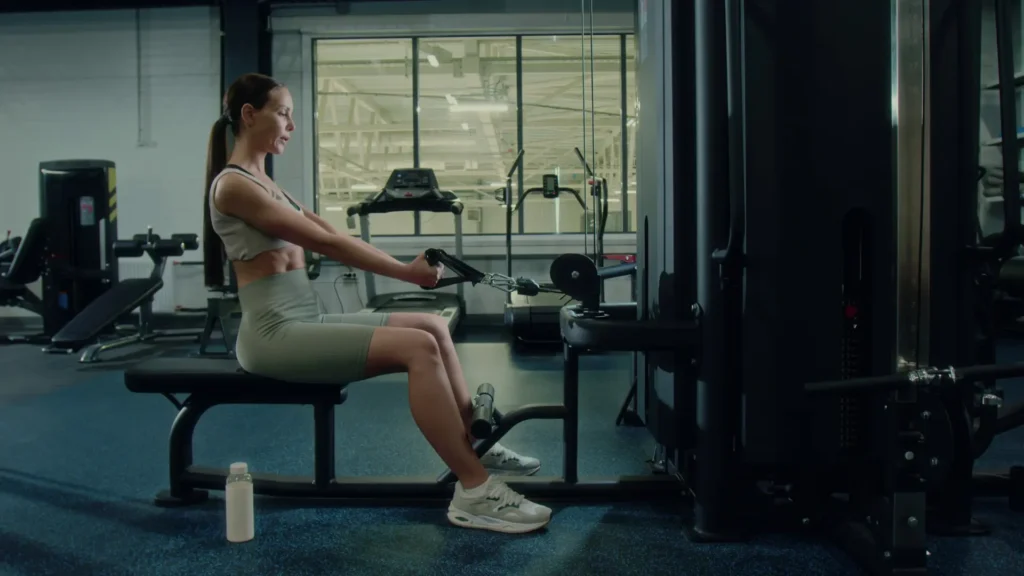
1. Seated Cable Rows
The seated cable row is one of the most effective back exercises, especially for beginners. It targets your lats, rhomboids, and traps, helping to build thickness and muscle definition.
How to do it:
- Sit down on the cable row machine and place your feet on the footrest.
- Grasp the handle with both hands, ensuring your arms are fully extended in front of you.
- Pull the handle towards your torso, keeping your back straight and elbows tucked in close to your body.
- Slowly release the handle back to the starting position.
Tip: Keep your core tight and avoid leaning back as this can put unnecessary strain on your lower back.
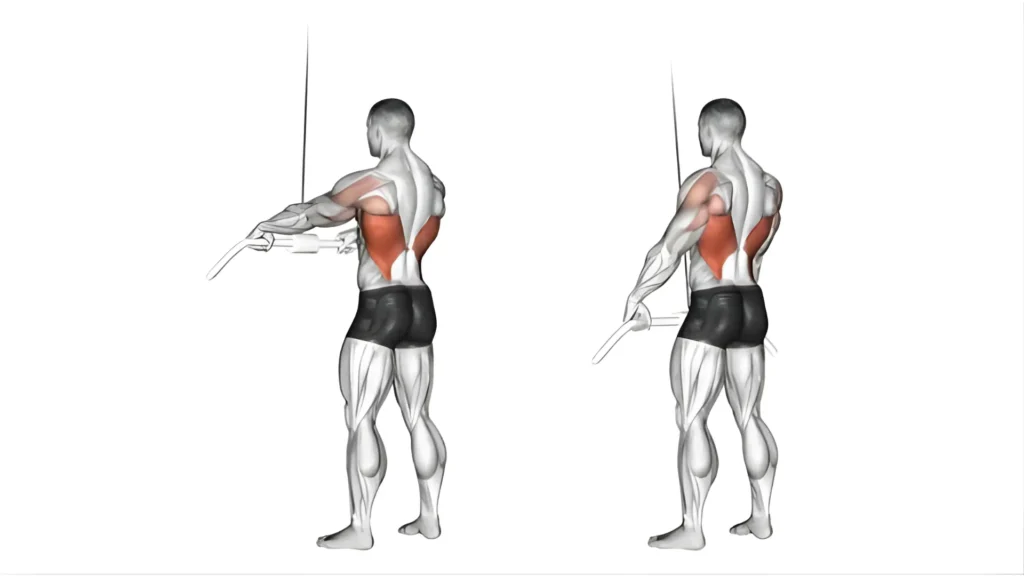
2. Straight Arm Pulldowns
This exercise primarily targets your lats and is perfect for engaging the muscles of your upper back. It’s a great exercise to add to your routine, especially if you’re looking to create width in your back.
How to do it:
- Stand facing the cable machine, gripping the rope attachment with both hands.
- With a slight bend in your knees, pull the rope down in a straight line, keeping your arms extended in front of you.
- As you pull the rope down, keep your body still, focusing on using your back muscles.
- Slowly return to the starting position.
Tip: Keep your chest up and avoid arching your lower back as you pull.
Best Cable Back Exercises for Muscle Growth
As you progress in your training, you’ll want to incorporate more targeted exercises to build muscle thickness and width. Cable back exercises can be incredibly effective for promoting muscle growth, as they allow for a controlled range of motion and continuous tension on the muscles.
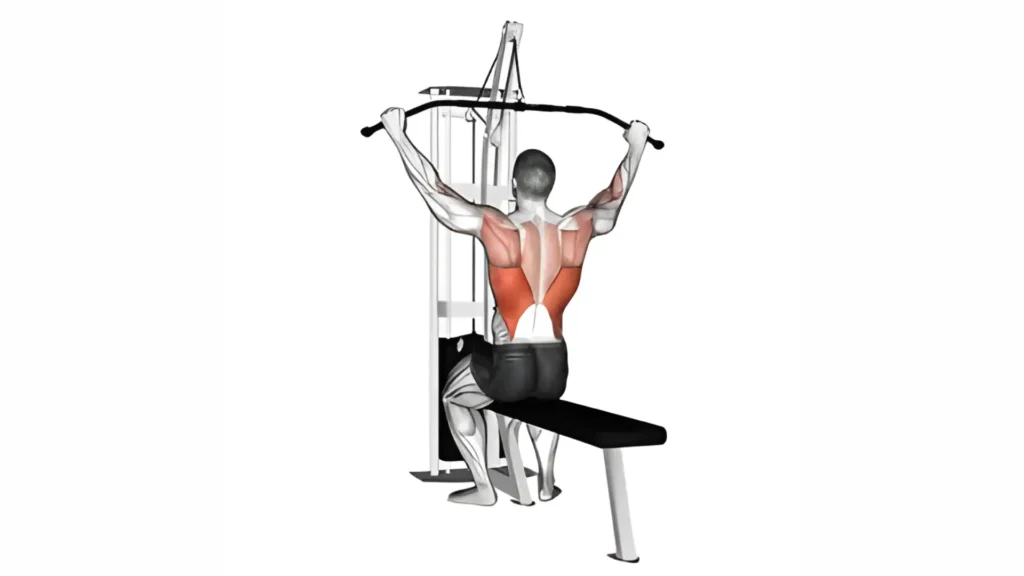
1. Lat Pulldowns
The lat pulldown is a classic exercise for building a V-shaped back. It primarily targets the latissimus dorsi and is excellent for adding width to your back.
How to do it:
- Sit down at the lat pulldown machine and grip the bar with both hands, palms facing away from you.
- Lean back slightly and pull the bar down to your chest, focusing on using your lats.
- Slowly release the bar back to the starting position.
Tip: Avoid swinging your body or using momentum to pull the bar down. Instead, focus on controlled movements.
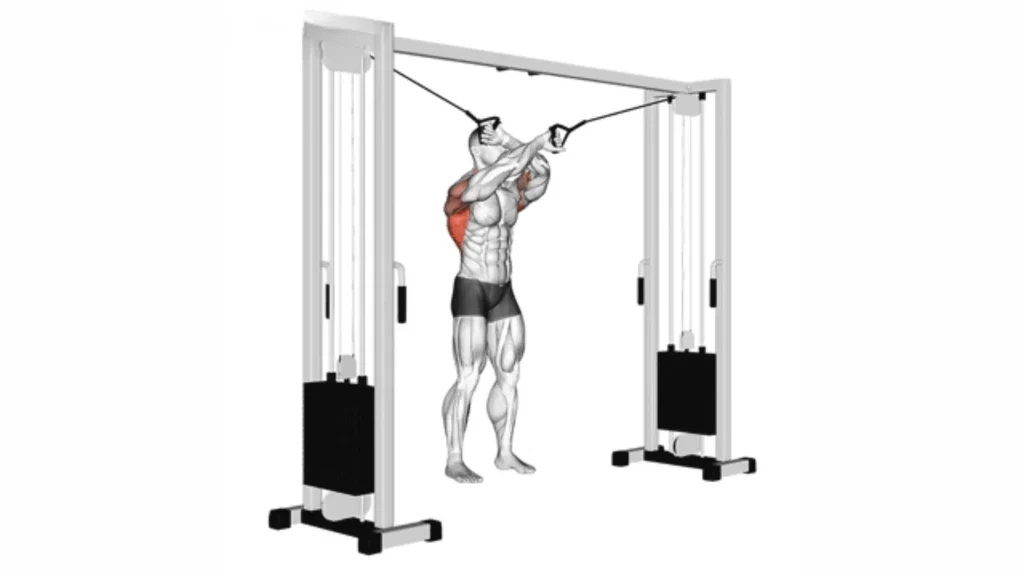
2. Cable Face Pulls
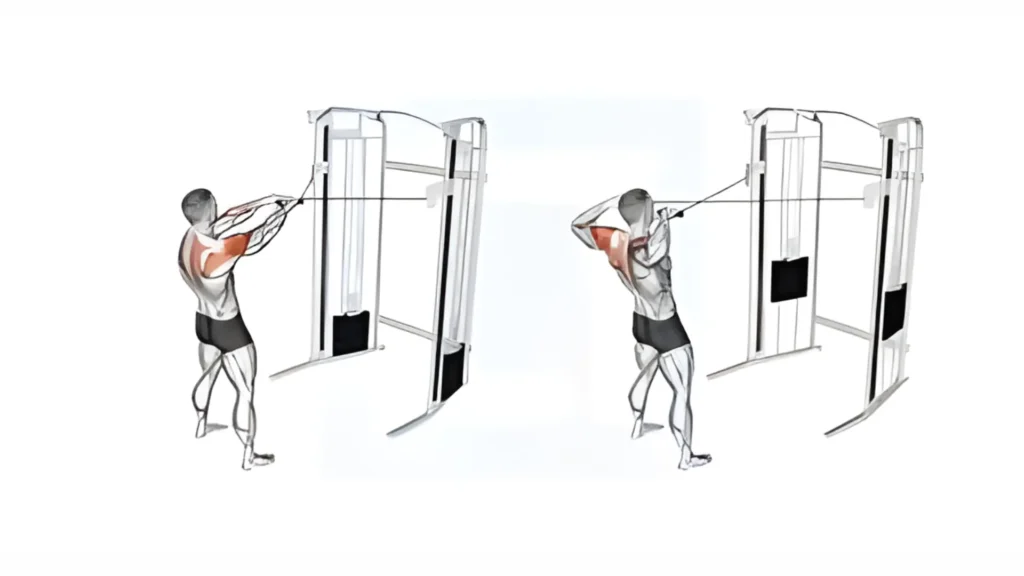
Cable face pulls target the upper traps, rear delts, and rhomboids, helping to develop strength and definition in the upper back. This exercise is also beneficial for improving shoulder health.
How to do it:
- Set the cable machine to face height and attach a rope handle.
- Grab the rope with both hands, palms facing each other.
- Pull the rope towards your face, keeping your elbows high and flaring them out to the sides.
- Slowly release the rope back to the starting position.
Tip: Focus on squeezing your shoulder blades together at the peak of the movement.
3. Cable Deadlifts
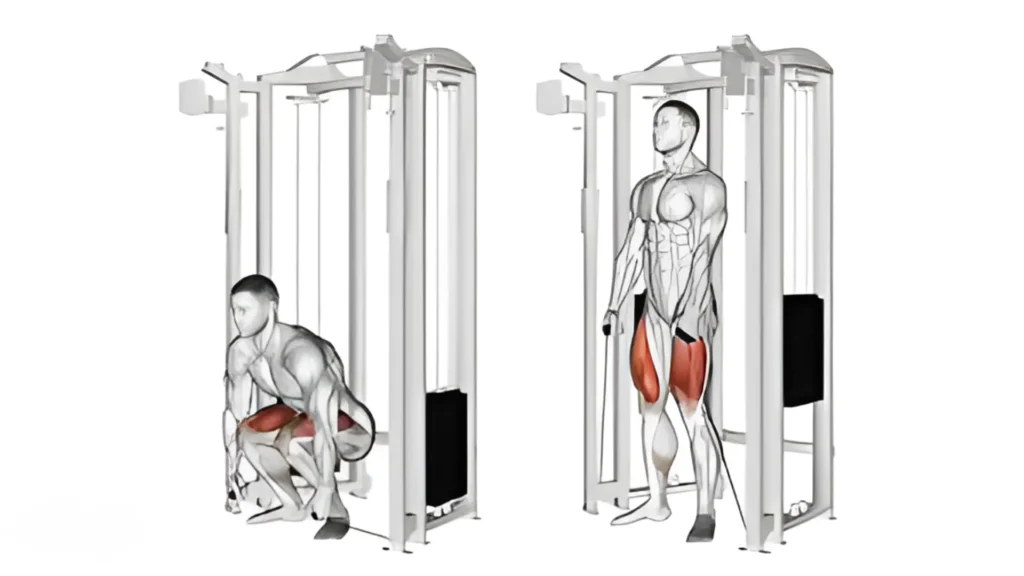
Cable deadlifts are great for working your lower back, glutes, and hamstrings. They can be a good alternative to traditional barbell deadlifts, especially if you don’t have access to a Barbell.
How to do it:
- Set the cable machine to a low pulley position and attach a straight bar or rope handle.
- Stand facing the machine and grasp the handle with both hands.
- Keeping your back straight, hinge at the hips and pull the handle upwards, straightening your legs and engaging your glutes.
- Slowly lower the handle back down.
Tip: Keep your chest up and back flat throughout the movement to avoid injury.
Proper Form and Technique for Cable Back Exercises
No matter which cable back exercise you choose, maintaining proper form is key to achieving results and preventing injury. Here are some key tips for ensuring correct form:
- Keep your back straight: This is essential for maintaining proper posture and preventing strain on your spine. Always engage your core and avoid rounding your back during exercises.
- Control the movement: Whether you’re pulling or releasing the weight, always perform the exercise slowly and with control. Momentum can lead to poor form and injury.
- Mind your grip: A firm grip is necessary to ensure you’re targeting the correct muscles. A loose grip can reduce muscle engagement.
- Breathe properly: Exhale as you pull or lift the weight, and inhale as you return to the starting position. This helps maintain core stability and muscle engagement.
Workout Tips Using Cable Machines
To get the most out of your cable back exercises, it’s important to follow a structured workout plan. Here are some helpful tips:
- Reps and Sets: For general strength, aim for 3-4 sets of 8-12 reps for each exercise. For muscle growth, you may want to increase the intensity with 4-6 sets of 6-8 reps.
- Focus on Consistency: Consistency is key to building muscle and strength. Incorporate cable back exercises into your weekly workout routine 2-3 times a week for the best results.
- Rest and Recovery: Allow your muscles to recover between workouts. Overworking your back muscles can lead to injury and hinder muscle growth.
- Vary Your Exercises: To prevent plateauing, mix up your cable back exercises regularly. This will keep your muscles challenged and promote continuous growth
Conclusion
Incorporating cable back exercises into your fitness routine can significantly improve strength, posture, and muscle definition.
Whether you’re a beginner or an experienced lifter, the cable machine offers a great way to target different muscles in your back with controlled movements.
From seated rows to lat pulldowns, there are countless exercises to choose from that will help you develop a stronger, more defined back.
If you’re ready to take your fitness journey to the next level, consider exploring our Personal Training, Sports Performance, and Online Live Coaching services.
With Kayvan Seyri’s expert guidance, you can achieve your back training goals and improve your overall fitness. Get started today!.
FAQ’s
What are the best cable back exercises for beginners?
For beginners, try starting with seated cable rows and straight arm pulldowns. These exercises are simple and effective for building strength in the back.
Are cable machines effective for building back muscles?
Yes, cable machines are highly effective for back training. They provide constant tension on the muscles, helping with muscle growth and endurance.
How often should I train my back using cables?
Training your back 2-3 times per week is ideal. Make sure to include a mix of cable back exercises for a well-rounded routine.
Can cable back exercises replace free weights?
Cable machines can complement free weights, but for overall strength, a combination of both is often the best approach. Free weights are great for building strength, while cable exercises offer controlled movement and targeting.
Why are cable exercises important for back development?
Cable exercises allow for constant tension throughout the movement, helping to isolate and engage the back muscles more effectively than some free weight exercises.