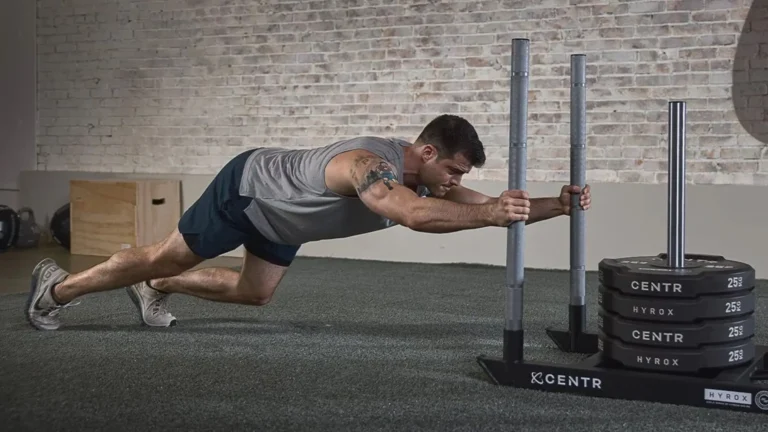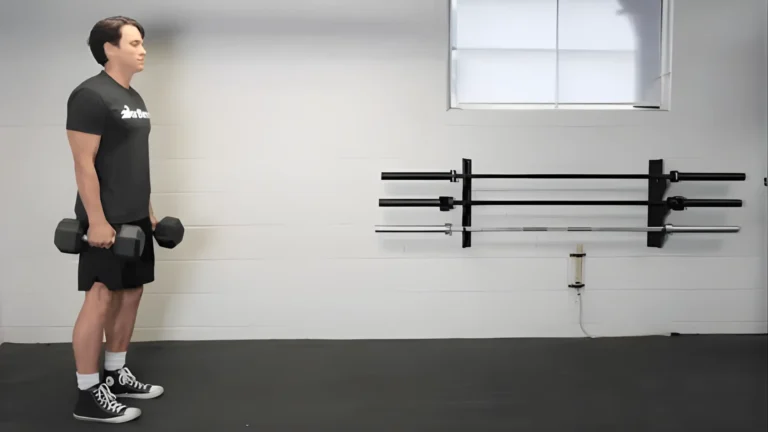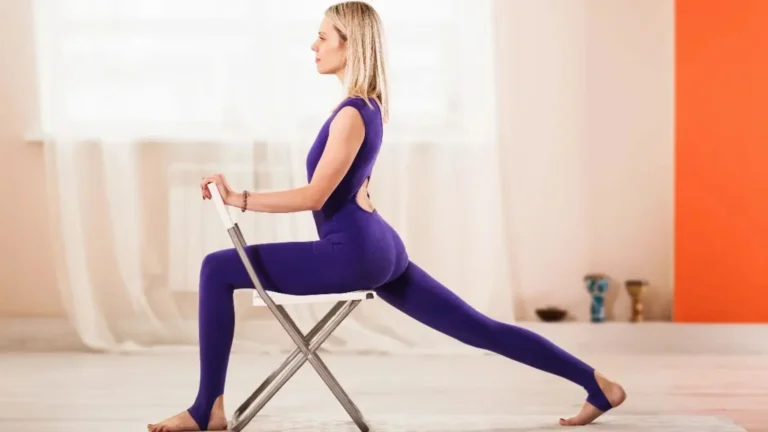
High-Intensity Interval Training, or HIIT Exercise Routine, has become one of the most effective methods for improving cardiovascular health, boosting metabolism, and achieving full-body fitness. Unlike traditional workouts, hiit workout exercise alternate between short bursts of intense effort and brief periods of rest or low-intensity movement. This pattern maximizes calorie burn, enhances endurance, and preserves lean muscle mass.
For individuals with limited time, 20-minute hiit workout sessions offer a powerful alternative to longer, less efficient routines. In this guide, we provide four 20-minute HIIT sessions designed to target all major muscle groups while improving overall cardiovascular and metabolic performance.
The Science Behind HIIT Training Exercises
High-intensity interval workouts are supported by extensive research demonstrating superior efficiency compared to moderate-intensity steady-state training. By alternating between maximum effort and recovery, HIIT cardio exercises:
- Increase VO2 max, improving oxygen utilization and stamina.
- Boost post-exercise calorie burn through excess post-exercise oxygen consumption (EPOC).
- Promote rapid fat loss while maintaining lean muscle mass.
- Enhance insulin sensitivity and metabolic flexibility.
Incorporating exercises high intensity interval training into a weekly fitness regimen improves cardiovascular health, muscular endurance, and overall functional performance, making it suitable for beginners and advanced fitness enthusiasts alike.
Session 1: Full-Body Power HIIT Workout
This session targets all major muscle groups with a combination of explosive movements and strength-focused exercises.
Warm-Up (3 minutes)
- Jumping jacks: 1 minute
- Arm circles and shoulder rolls: 1 minute
- High knees: 1 minute
Workout Routine (15 minutes)
Perform each exercise for 40 seconds with 20 seconds rest between exercises:
- Burpees with Push-Up – Full-body explosive movement targeting chest, arms, core, and legs.
- Squat Jumps – Engages quads, Glutes, and hamstrings while boosting heart rate.
- Mountain Climbers – Strengthens core and shoulders, improves agility.
- Alternating Lunge Jumps – Builds lower body strength and coordination.
- Plank to Shoulder Tap – Engages core stabilizers and shoulders.
- High Knees Sprint – Cardio burst to elevate heart rate.
Cool-Down (2 minutes)
- Hamstring stretch: 1 minute
- Shoulder stretch: 1 minute
Session 2: Core-Focused HIIT Training Exercises
The second session emphasizes core strength while maintaining high-intensity intervals for maximum calorie burn.
Warm-Up (3 minutes)
- Standing torso twists: 1 minute
- Side lunges: 1 minute
- Jump rope or simulated rope: 1 minute
Workout Routine (15 minutes)
Perform each exercise for 45 seconds with 15 seconds rest:
- Bicycle Crunches – Targets obliques and rectus abdominis.
- Plank Jacks – Combines core stabilization with cardiovascular conditioning.
- Russian Twists with Medicine Ball – Enhances rotational strength and oblique development.
- V-Ups – Full ab engagement for upper and lower abs.
- Flutter Kicks – Lower ab isolation while maintaining core tension.
- Side Plank with Hip Dips – Engages obliques, glutes, and shoulder stabilizers.
Cool-Down (2 minutes)
- Cat-Cow stretch: 1 minute
- Child’s pose: 1 minute
Session 3: Lower Body HIIT Workout Exercises
This session emphasizes lower-body strength and explosive power through dynamic HIIT movements.
Warm-Up (3 minutes)
- Bodyweight squats: 1 minute
- Glute bridges: 1 minute
- Leg swings: 1 minute
Workout Routine (15 minutes)
Perform each exercise for 40 seconds with 20 seconds rest:
- Jump Squats – Explosive movement for quads, glutes, and calves.
- Walking Lunges – Strengthens hamstrings and glutes.
- Side-to-Side Skater Jumps – Enhances lateral strength and balance.
- Glute Kickbacks – Isolates glutes and hamstrings.
- Calf Raises with Jump – Improves lower leg strength and explosiveness.
- Wall Sit with Arm Raises – Strengthens quads, core, and shoulders simultaneously.
Cool-Down (2 minutes)
- Quadriceps stretch: 1 minute
- Hamstring stretch: 1 minute
Session 4: Upper Body and Cardio HIIT Routine
This session targets upper-body strength and cardiovascular conditioning to create a balanced full-body program.
Warm-Up (3 minutes)
- Arm swings: 1 minute
- Push-ups on knees: 1 minute
- Jumping jacks: 1 minute
Workout Routine (15 minutes)
Perform each exercise for 40 seconds with 20 seconds rest:
- Push-Up to Plank Shoulder Tap – Chest, shoulders, and core activation.
- Tricep Dips (using chair or bench) – Isolates triceps and strengthens arms.
- Plank to Pike Jump – Engages shoulders, core, and back.
- Burpee with Tuck Jump – Full-body explosive movement for cardio and power.
- High Knees with Punches – Cardio interval targeting core and upper body.
- Renegade Rows (with dumbbells) – Strengthens back, shoulders, and core simultaneously.
Cool-Down (2 minutes)
- Shoulder and tricep stretch: 1 minute
- Chest opener stretch: 1 minute
Key Tips for Maximizing Your 20-Minute HIIT Workout
- Consistency is critical – Aim for at least 3–4 sessions per week.
- Maintain proper form – Quality over quantity prevents injury and ensures maximum benefit.
- Hydrate effectively – High-intensity training depletes fluids rapidly.
- Progressive overload – Gradually increase intensity, reps, or resistance for continued improvement.
- Listen to your body – Adjust intervals or rest periods according to your fitness level.
Why Choose 20-Minute HIIT Workouts
Fitness HIIT routines provide time-efficient, high-impact results. With only 20 minutes, these sessions:
- Reduce fat while maintaining lean muscle mass.
- Improve cardiovascular health more efficiently than traditional steady-state cardio.
- Enhance metabolic flexibility and post-workout calorie burn.
- Can be adapted for home workouts with minimal equipment.
20-minute HIIT workout plans make it easy to fit exercise into busy schedules while still delivering measurable results in strength, endurance, and overall fitness.
Incorporating HIIT Into Your Weekly Fitness Plan
A well-rounded weekly routine might look like:
- Monday: Full-body power HIIT
- Tuesday: Core-focused HIIT
- Wednesday: Active recovery or light cardio
- Thursday: Lower-body HIIT
- Friday: Upper-body and cardio HIIT
- Saturday: Optional outdoor activity or mobility work
- Sunday: Rest
This structure allows recovery for each muscle group while maintaining a consistent hiit exercise plan.
Recommended Equipment for HIIT Training Exercises
While many hiit workouts can be done bodyweight, the following equipment can enhance results:
- Dumbbells or kettlebells for resistance exercises
- Medicine ball for rotational and explosive moves
- Jump rope for cardiovascular bursts
- Resistance bands for added intensity
Authoritative References for HIIT Workouts
- American College of Sports Medicine (ACSM) – HIIT guidelines and research.
- Journal of Sports Science & Medicine – Studies on interval training efficacy.
- Mayo Clinic – HIIT benefits for cardiovascular and metabolic health.
Conclusion
By following these hiit exercise routines, individuals can achieve a comprehensive fitness HIIT routine that enhances cardiovascular health, strength, endurance, and fat loss in just 20 minutes per session. These high-intensity interval workouts are suitable for all fitness levels, adaptable for home or gym use, and designed to produce measurable results when followed consistently.
With proper form, consistent scheduling, and progressive intensity, these HIIT training exercises can transform a compact 20-minute session into a full-body, results-driven workout.
FAQ’s
What is a 20-minute HIIT workout?
A 20-minute HIIT workout combines short bursts of high-intensity exercises with brief rest periods. It delivers maximum calorie burn, improved endurance, and full-body conditioning in minimal time.
Are HIIT workouts suitable for beginners?
Yes, HIIT workouts can be modified for beginners by adjusting intensity and rest intervals. Proper form and gradual progression make them safe and effective for all fitness levels.
How many times per week should I do HIIT workouts?
For best results, perform HIIT workouts 3–4 times per week. This allows adequate recovery while improving cardiovascular health, strength, and fat loss.
Do 20-minute HIIT workouts really help with fat loss?
Yes, HIIT boosts metabolism and post-workout calorie burn through EPOC. This helps reduce fat while preserving lean muscle mass efficiently.
Can HIIT workouts be done at home without equipment?
Absolutely, many HIIT exercises use only bodyweight movements. Optional equipment like dumbbells or resistance bands can be added for increased intensity.