Pull-ups are widely recognized as one of the most effective bodyweight exercises for building upper body strength, improving posture, and enhancing functional fitness. Yet, for many beginners, even a single pull-up can feel impossible. In this comprehensive guide, we will break down how to do pull ups, from absolute zero to achieving your first rep, while covering training strategies, muscle engagement, and progressive exercises.
Understanding Pull Ups: Muscles Worked and Benefits
Before diving into exercises, it’s crucial to understand the pull ups exercise muscles worked and why this movement is so beneficial.
Primary muscles targeted:
- Latissimus dorsi (lats): The broad muscles of the back responsible for pulling your arms downward and inward.
- Biceps brachii: Front upper-arm muscles that assist in elbow flexion during the pull-up.
- Trapezius and rhomboids: Upper back muscles that stabilize the shoulder blades.
- Core muscles: Including rectus abdominis and obliques, which maintain body tension and prevent swinging.
- Forearms and grip strength: Essential for holding onto the bar throughout the motion.
Key benefits of pull ups:
- Improves upper body strength: Builds functional strength for sports, daily activities, and other compound exercises.
- Enhances grip strength: Vital for climbing, lifting, and various athletic movements.
- Supports posture: Strengthening the back and shoulders helps reduce slouching.
- No equipment required: A sturdy pull-up bar is sufficient, making it an ideal bodyweight exercise.
Step-by-Step Guide: How to Do a Pull Up Exercise for Beginners
1. Proper Grip and Setup
The first step in learning how to do pull ups is understanding the correct hand placement:
- Grip width: Hands slightly wider than shoulder-width apart for a standard pull-up.
- Grip type: Overhand grip (palms facing away) for traditional pull-ups; underhand grip (palms facing you) for chin-ups, which target biceps more.
- Starting position: Hang from the bar with arms fully extended, shoulders engaged (avoid shrugging), and core braced.
2. Mastering the Pull-Up Movement
Once positioned, the pull-up can be broken down into three key phases:
- Engage your muscles: Pull your shoulder blades down and back before bending your elbows. This prevents excessive strain on the shoulders.
- Pull upward: Drive your chest toward the bar while keeping your elbows close to your body. Focus on using your back and biceps rather than relying solely on momentum.
- Controlled descent: Lower your body slowly to a dead hang, maintaining tension in your core and lats. Avoid dropping quickly to reduce injury risk.
3. Building Strength: How to Train to Do a Pull Up
If you cannot perform a pull-up yet, progressive training is essential. Below are proven methods to build strength effectively:
Assisted Pull-Ups
- Use resistance bands attached to the bar to reduce bodyweight load.
- Perform pull-ups on an assisted pull-up machine if available in your gym.
- Start with higher assistance and gradually decrease as your strength improves.
Negative Pull-Ups
- Jump or step up to the top pull-up position.
- Lower your body slowly over 3-5 seconds.
- Focus on controlled descent to strengthen lats, biceps, and grip.
Isometric Holds
- Hold yourself at the mid-pull position (elbows at 90 degrees) for 10-20 seconds.
- Builds endurance and mind-muscle connection essential for the full pull-up.
Lat and Bicep Strength Exercises
- Incorporate lat pulldowns, inverted rows, dumbbell curls, and face pulls to strengthen the primary muscles involved in pull-ups.
4. Pull Up Workout for Beginners
Creating a beginner-friendly pull-up routine helps track progress while avoiding injury. Here’s an example program:
Warm-Up (5-10 minutes):
- Arm circles, shoulder rolls, and band pull-aparts.
Workout Routine:
| Exercise | Sets | Reps/Time |
| Assisted Pull-Ups | 3 | 8-12 |
| Negative Pull-Ups | 3 | 5 |
| Inverted Rows | 3 | 10-15 |
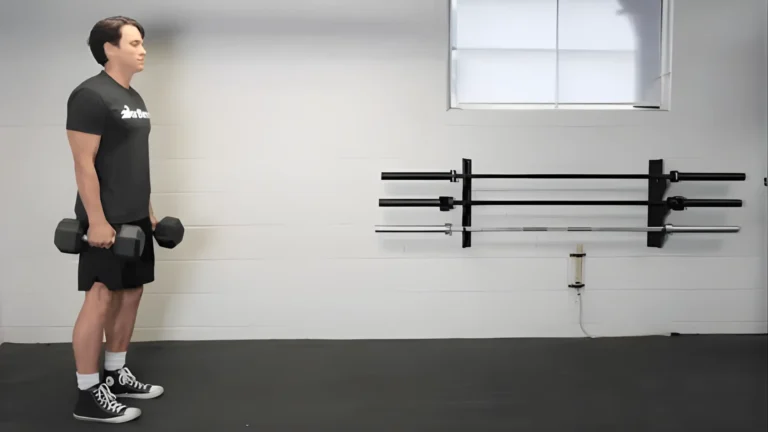
| Bicep Curls (Dumbbell) | 3 | 12 |
| Plank Hold | 3 | 30-60 sec |
Frequency: 2-3 times per week with rest days in between for recovery.
5. Common Mistakes to Avoid
Understanding mistakes helps prevent injury and accelerates progress. Avoid:
- Shrugging shoulders instead of engaging lats.
- Kipping or swinging excessively when performing reps.
- Partial range of motion – aim for full extension and full pull.
- Neglecting grip strength – weak grip can limit pull-up performance.
6. Advanced Tips to Accelerate Progress
Once basic pull-ups become achievable, these strategies help increase strength:
- Weighted pull-ups: Add a weight belt or dumbbell between the legs.
- Variety of grips: Wide grip, neutral grip, or chin-ups target muscles differently.
- Tempo training: Slow pulls increase time under tension and improve control.
- Greasing the groove: Perform multiple low-rep sets throughout the day to build neuromuscular efficiency.
7. Tracking Progress and Setting Goals
Consistency and tracking are crucial for mastering pull-ups:
- Use a pull-up log: Record sets, reps, assistance level, and weight added.
- Set incremental goals: For example, aim for 5 unassisted pull-ups in 8 weeks.
- Monitor strength gains: Focus on overall back and arm strength, not just pull-up numbers.
8. How Can I Do Pull Ups If I’m a Complete Beginner?
If you’re starting with zero upper body strength:
- Begin with assisted pull-ups and negatives.
- Strengthen supporting muscles with rows, push-ups, and lat pulldowns.
- Prioritize core engagement, as a stable torso improves pull-up efficiency.
- Be patient: most beginners achieve their first full pull-up within 6-12 weeks of consistent training.
9. Pull Ups Exercise Variations
Once comfortable with basic pull-ups, incorporate variations to prevent plateau and enhance muscle development:
- Chin-Ups: Palms facing you; emphasizes biceps.
- Neutral Grip Pull-Ups: Palms facing each other; easier on shoulders.
- Commando Pull-Ups: Hands staggered on the bar, alternating sides.
- Archer Pull-Ups: Pulling to one side at a time; advanced strength builder.
10. Recovery and Injury Prevention
Recovery is as important as training:
- Stretching: Perform shoulder, lat, and bicep stretches post-workout.
- Rest: Allow 48 hours between pull-up sessions for muscle repair.
- Proper nutrition: Protein and hydration support muscle growth.
- Listen to your body: Avoid pushing through pain; address shoulder or wrist discomfort early.
Recommended External Resources
For additional authoritative guidance:
- American Council on Exercise (ACE): Pull-up technique and training programs.
- National Strength and Conditioning Association (NSCA): Evidence-based pull-up exercise research.
- Examine.com: Supplements and nutrition strategies to support upper body strength.
Conclusion
Mastering pull-ups requires a combination of strength training, technique practice, and consistency. By following this guide, beginners can progress from zero to their first full pull-up while strengthening multiple upper body muscles and improving overall functional fitness. Remember, gradual progression and proper form are key to avoiding injury and achieving long-term results.
Achieve Your Full Potential with Kayvan Seyri
Ready to take your fitness journey to the next level? At Kayvan Seyri, we offer personalized training programs that target your goals, enhance sports performance, and track your progress through advanced human performance testing. Whether you’re training in person or online, our expert coaching will guide you every step of the way.
Unlock your potential with tailored solutions in:
Start your transformation today!
FAQ’s
How long does it take to do a pull-up as a beginner?
Most beginners can achieve their first pull-up within 6-12 weeks of consistent training, focusing on assisted pull-ups and negative reps.
What muscles do pull-ups target?
Pull-ups primarily target the lats, biceps, trapezius, rhomboids, core, and forearms, strengthening the upper body and improving posture.
Can I build strength for pull-ups without equipment?
Yes, you can build strength using bodyweight exercises like push-ups, planks, and rows. Resistance bands or assisted pull-up machines can also help.
How many pull-ups should I aim for as a beginner?
Start with assisted pull-ups and aim for 3 sets of 8-12 reps. Gradually decrease assistance as your strength improves.
How can I prevent injury while doing pull-ups?
Ensure proper form, engage your lats, avoid swinging, and focus on controlled movements to prevent strain on your shoulders and joints.