In the world of fitness, resistance bands have evolved from simple rehabilitation tools into full-fledged instruments for Strength Training. Whether in a home gym, a studio, or even outdoors, these bands offer a versatile approach to building muscle and enhancing performance.
Many people ask, “Can you build muscle with resistance bands?” The short answer is yes, but the effectiveness depends on technique, consistency, and the type of exercise with the resistance band performed.
Resistance bands are made from high-quality latex or synthetic rubber, providing varying levels of tension. They allow for full-body workouts without the need for heavy weights, making them an ideal option for both beginners and advanced athletes.
In this article, we will explore how strength training using bands works, the best exercises for workout bands, and tips to maximize muscle growth.
How Resistance Bands Work for Muscle Growth
Muscle growth occurs when muscle fibers are subjected to progressive overload, which causes micro-tears that repair and grow stronger. Resistance bands achieve this by creating tension throughout the entire range of motion, engaging muscles differently than traditional free weights.
The continuous resistance provides a constant challenge to stabilizing muscles, which is crucial for overall strength development.
Unlike free weights, bands are variable-resistance tools, meaning the resistance increases as the band stretches. This unique feature allows for stability band exercises that engage not only the primary muscle groups but also secondary stabilizers, improving coordination and joint health.
Types of Resistance Bands and Their Benefits
Choosing the right band is critical for effective workout bands exercise routines. Bands vary in thickness, length, and tension:
- Loop Bands – Often used for lower-body exercises like squats, glute bridges, and lateral walks. Ideal for stability band exercises.
- Tube Bands with Handles – Perfect for upper-body strength training and exercises for a resistance band like bicep curls, shoulder presses, and chest flies.
- Therapy Bands – Flat, lightweight bands mainly for rehabilitation but also useful for light resistance band workouts.
- Figure-8 Bands – Compact and suited for targeted muscle groups like arms and chest.
Selecting the right band is crucial to ensure resistance band for working out delivers the appropriate challenge to promote muscle hypertrophy.
Do Resistance Bands Build Muscle? The Science Explained
A common question is: “Do resistance bands build muscle?” Research and practical evidence confirm that resistance bands can build mass comparable to traditional weight training if used properly. Here’s why:
- Progressive Overload: By using bands with increasing tension or combining multiple bands, muscles are continuously challenged.
- Full Range of Motion: Bands allow for controlled eccentric and concentric contractions, essential for hypertrophy.
- Muscle Activation: Bands provide constant tension, activating stabilizer muscles often underutilized with free weights.
Studies show that performing strength training using bands can stimulate muscle protein synthesis effectively, especially in combination with bodyweight or free-weight exercises.
Top Exercises for Workout Bands for Maximum Muscle Growth
A complete resistance band workout should target all major muscle groups. Here’s a detailed breakdown:
1. Upper Body Exercises
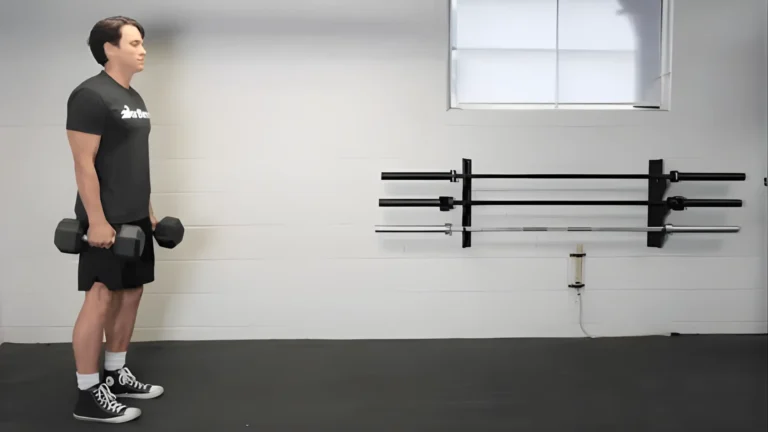
- Bicep Curls: Stand on the band and curl handles upward to stimulate arm growth.
- Overhead Shoulder Press: Step on the band and push upward, focusing on controlled motion.
- Chest Press: Anchor band behind you and press forward, mimicking a bench press.
2. Lower Body Exercises
- Squats with Bands: Place the band around thighs for glute activation.
- Glute Bridges: Bands around knees increase resistance for stronger glutes.
- Lateral Band Walks: Strengthens gluteus medius and hip stabilizers.
3. Core and Stability Band Exercises
- Standing Oblique Twists: Anchor band at chest height and rotate torso to engage core.
- Plank with Band Row: Place the band under your hands while performing the plank and row for core and back activation.
Each exercise can be modified for exercises for a resistance band to target specific muscles. Combining upper, lower, and core movements ensures a balanced strength training using bands program.
Creating an Effective Resistance Band Routine
For optimal results, structure your resistance band for working out routine based on frequency, sets, and repetitions:
- Frequency: 3–5 sessions per week, alternating muscle groups.
- Sets & Reps: 3–4 sets of 10–15 reps for hypertrophy.
- Progression: Increase resistance or range of motion to ensure progressive overload.
- Rest: 30–60 seconds between sets to maintain intensity.
Combining these principles ensures that your exercises for workout bands consistently promote muscle growth.
Can Resistance Bands Build Muscle Mass in All Fitness Levels?
Absolutely. Can resistance bands build muscle mass? Yes, but results vary depending on experience:
- Beginners: Experience rapid muscle activation and strength gains.
- Intermediate: Bands provide a new stimulus, complementing free-weight routines.
- Advanced: Combining bands with traditional lifts creates intense resistance and peak contraction for advanced hypertrophy.
Even for advanced lifters, can you build muscle with resistance bands is proven effective when bands are used strategically in compound and isolation movements.
Advantages of Resistance Bands Over Traditional Weights
Resistance bands offer several benefits over dumbbells and machines:
- Portability: Perfect for travel or home workouts.
- Joint-Friendly: Bands reduce stress on joints compared to heavy weights.
- Versatility: Ideal for full-body workouts, rehabilitation, and stability band exercises.
- Cost-Effective: Affordable alternative to gym memberships.
- Variable Resistance: Enhances muscle activation throughout exercises.
These advantages make workout bands exercise accessible to everyone, while still promoting real muscle growth.
Common Mistakes to Avoid with Resistance Bands
To ensure strength training using bands is effective, avoid these errors:
- Using bands that are too light or too heavy.
- Neglecting proper form and full range of motion.
- Skipping progressive overload.
- Ignoring warm-up or cool-down routines.
Correcting these mistakes ensures resistance bands for working out are both safe and effective.
Advanced Techniques for Building Muscle with Bands
For serious gains, incorporate these techniques:
- Drop Sets: Start with heavy resistance, reduce tension mid-set.
- Supersets: Combine two exercises back-to-back, e.g., squats and overhead presses.
- Isometric Holds: Hold the band in a stretched position to increase time under tension.
These approaches amplify exercises for a resistance band, ensuring continuous muscle stimulation.
Integrating Bands with Traditional Strength Training
For optimal hypertrophy, resistance bands can complement free weights:
- Use bands to pre-fatigue muscles before lifting.
- Combine bands with squats or bench press for accommodating resistance.
- Add bands to pull-ups or dips for increased tension.
This hybrid approach proves that can resistance bands build mass even at advanced levels.
Recovery and Nutrition for Band Training
Muscle growth is not just about exercises for workout bands; recovery and nutrition are equally critical:
- Protein Intake: 1.6–2.2g per kg of body weight to support muscle repair.
- Rest Days: Allow 48 hours for the same muscle group to recover.
- Stretching & Mobility: Bands themselves can aid in recovery via resistance stretching.
Conclusion: The Effectiveness of Resistance Bands for Muscle Growth
Resistance bands are highly effective for building muscle when used properly. They provide:
- Continuous tension for maximum muscle engagement.
- A versatile, low-cost alternative to weights.
- Opportunities for advanced training techniques.
Whether your goal is strength training using bands, full-body workout bands exercise, or targeted stability band exercises, consistent, well-structured training ensures measurable gains in muscle size and strength.
FAQ’s
Can resistance bands build muscle effectively?
Yes, resistance bands can build muscle by creating progressive overload. They provide continuous tension throughout the range of motion, engaging muscles differently than traditional free weights, promoting muscle growth.
What are the best exercises for muscle growth with resistance bands?
Top exercises include bicep curls, shoulder presses, squats, and glute bridges. Combining these upper, lower, and core movements in your routine ensures balanced muscle growth.
Are resistance bands suitable for all fitness levels?
Absolutely. Beginners experience rapid muscle activation, while intermediate and advanced athletes can use bands alongside traditional exercises for enhanced intensity and muscle growth.
What are the advantages of resistance bands over traditional weights?
Resistance bands are portable, joint-friendly, versatile, and cost-effective. They also provide variable resistance, which enhances muscle activation throughout exercises.
How can I avoid common mistakes when using resistance bands?
To maximize effectiveness, avoid using bands that are too light or heavy, neglecting form, skipping progressive overload, and ignoring warm-ups or cool-downs. Proper form and consistent progression are key for success.