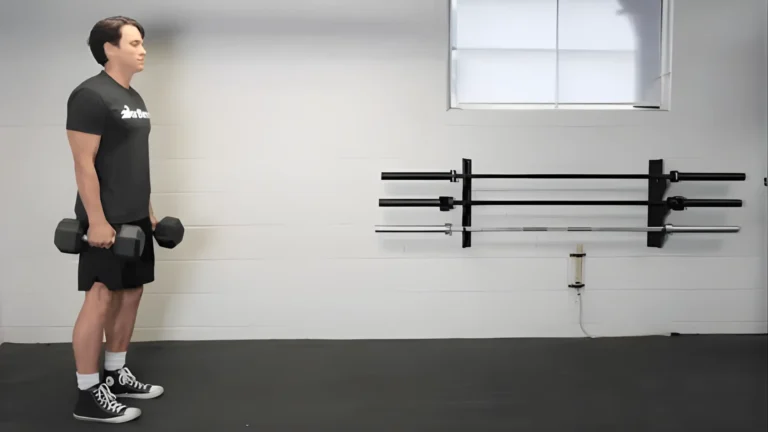
If you’re a runner looking to step up your game, you’ve probably wondered how strength training could help improve your performance. Running is a great cardiovascular workout, but when paired with strength training, it can take your fitness to a whole new level. In this post, I’ll walk you through the basics of running with strength training, why it’s essential for runners, and how you can structure your workouts for maximum results. Whether you’re a beginner or just looking to improve, this plan will guide you on how to integrate running and strength training effectively.
Why Combine Running with Strength Training?
Running is great for improving endurance and cardiovascular health, but it doesn’t always build the muscle strength needed to support proper running form. Adding strength training to your routine can offer numerous benefits, including:
Injury prevention
Strength training helps to reinforce the muscles that support your joints, reducing the risk of injuries, especially those commonly faced by runners, such as shin splints, knee pain, and IT band issues.
Improved running performance
Strengthening your muscles, especially your core, legs, and glutes, can help you run faster, maintain proper form, and tackle different terrains, like hills.
Better posture and balance
Building strength in your upper body and core improves your posture and balance, which are essential for maintaining efficient running mechanics.
Increased power
Strength training improves your overall power, enabling you to run faster and more efficiently with less effort.
The key to success is knowing how to combine both running and strength training in a way that enhances your running performance without overtraining.
The Basics of Running and Strength Training
For runners, strength training should target the muscles that are most involved in running, particularly the lower body, core, and upper body. Your legs, glutes, and core stabilise you while running, and your arms help with momentum. So, balancing your workouts between running and weight lifting is essential for building strength and endurance while avoiding fatigue or injury.
Weight Workout for Runners: What to Focus On
When it comes to weight training, certain exercises are more beneficial for runners than others. A well-rounded strength training programme for runners should include the following:
Leg Workouts
Squats, lunges, step-ups, and deadlifts are fantastic for building leg strength and targeting the quads, hamstrings, glutes, and calves—muscles that are heavily involved in running.
Core Exercises
A strong core helps to stabilise your body, especially when you’re fatigued from a long run. Planks, Russian twists, and leg raises will help build the endurance and stability your core needs for better posture and running efficiency.
Upper Body Strength
While running primarily focuses on the lower body, having a strong upper body can improve your overall running mechanics. Exercises like push-ups, dumbbell rows, and shoulder presses help maintain good posture and arm swing while running.
Plyometrics
These explosive movements (like box jumps, jump squats, or burpees) help improve your running speed and efficiency by training your muscles to generate more power.
Running and Strength Training Plan: How to Structure It
Creating a balanced plan that includes both running and strength training requires attention to your weekly schedule. Here’s how you can integrate them without overloading your body:
Running Schedule:
Aim for 3-4 runs a week. You can alternate between easy-paced runs, speed work (intervals or tempo runs), and long runs. The key is to allow for rest days between runs to prevent burnout.
Strength Training Schedule:
You can incorporate 2-3 strength sessions a week. Focus on lower body exercises that target the muscles you use for running, along with core and upper body exercises for balance. It’s important to rest your muscles after strength workouts, so space them out throughout the week.
A good rule of thumb is to keep your strength training sessions on non-consecutive days to avoid fatigue. For example, you could run on Monday, Wednesday, and Friday, with strength training on Tuesday and Thursday.
Strength Training Schedule for Runners: Example Week
Here’s an example of a weekly workout schedule combining running and strength training:
- Monday: Easy Run (30-45 minutes)
- Tuesday: Full-body strength workout (Lower body focus)
- Wednesday: Interval Run (Speed work)
- Thursday: Upper body and core strength workout
- Friday: Long run (60-90 minutes)
- Saturday: Rest or Active Recovery (light walking, stretching)
- Sunday: Full-body strength workout (Glutes and legs focus)
This schedule ensures that you don’t overdo it with either running or strength training. It allows your body enough time to recover and adapt between workouts.
Running Plan with Strength Training: Best Practices for Runners
When planning your training programme, it’s important to balance intensity, volume, and recovery. Here are some best practices to follow:
Gradually Increase Intensity
Don’t jump straight into heavy lifting or intense running. Start with moderate weights and shorter runs, then progressively increase intensity as your body adapts.
Focus on Recovery
Recovery is just as important as the workouts themselves. Make sure you get plenty of sleep, stretch, foam roll, and incorporate rest days to allow your body to rebuild and strengthen.
Periodise Your Training
Use periodisation, which means varying the intensity and volume of your workouts throughout the year. For example, in the off-season, you may focus more on strength training, while in the race season, running takes priority with lighter strength work to maintain muscle.
Listen to Your Body
It’s essential to tune into how your body feels. If you’re feeling sore or fatigued, take a step back and give yourself extra time to recover. Overtraining can lead to injuries and setbacks.
Strength Training Workout Plan for Runners
Here’s a sample strength training workout plan for runners:
1. Lower Body Day (Strength Focus)
- Squats (3 sets of 10-12 reps)
- Deadlifts (3 sets of 8-10 reps)
- Lunges (3 sets of 12 reps per leg)
- Glute bridges (3 sets of 15 reps)
- Calf raises (3 sets of 20 reps)
2. Upper Body and Core Day (Stability Focus)
- Push-ups (3 sets of 12 reps)
- Dumbbell Rows (3 sets of 10 reps)
- Planks (3 sets of 30-60 seconds)
- Russian Twists (3 sets of 15 reps per side)
- Dumbbell Shoulder Press (3 sets of 10 reps)
3. Full Body and Plyometric Day (Power Focus)
- Box Jumps (3 sets of 10 reps)
- Step-ups (3 sets of 12 reps per leg)
- Burpees (3 sets of 10 reps)
- Medicine Ball Slams (3 sets of 12 reps)
- Side Plank (3 sets of 30-45 seconds per side)
This strength training plan will help improve running performance by targeting the muscles you use most and building overall body strength.
Conclusion: Building Strength for Better Running Performance
Integrating running with strength training is a game-changer for improving your running performance, reducing injury risk, and enhancing overall fitness. By following the right plan and incorporating the correct balance of both, you’ll see progress not only in your running times but also in your general strength, speed, and endurance.
If you’re unsure how to get started or want to optimise your training plan, I’d love to help. My Personal Training, Sports Performance, and Online Live Coaching services are designed to guide you every step of the way, ensuring you build strength effectively while improving your running.
Ready to get fit? Explore our Personal Training and Online Live Coaching services to take your fitness journey to the next level!
FAQ’s
Should I lift weights before or after my run?
It’s generally recommended to run first if your goal is to improve running performance, as running requires more energy. If your focus is strength building, then lift weights first when your body is fresh.
How often should I strength train as a runner?
Two to three times per week is ideal for most runners. You can adjust the frequency based on your experience level and goals.
Will strength training make me slow as a runner?
Two to three times per week is ideal for most runners. You can adjust the frequency based on your experience level and goals.
Can I do strength training on the same day as my run?
Yes, but it depends on the intensity. If you plan to do both on the same day, it’s important to have proper rest between sessions, or you can split them into separate sessions (e.g., run in the morning, lift in the evening).
How long should I rest between sets during strength training for runners?
For strength training, rest around 60-90 seconds between sets. For explosive movements or power training, you may rest up to 2-3 minutes to allow full recovery.