If you’re new to fitness or even if you’re a seasoned gym-goer, you’ve probably heard the terms sets and reps thrown around. These are the building blocks of any strength training routine, but understanding how to use them effectively can be the difference between hitting your fitness goals or spinning your wheels.
In this post, I’ll break down exactly what sets and reps are, how they work together, and how you can use them to maximise your workout results. Whether you’re looking to build muscle, increase strength, or just improve your overall fitness, understanding the right sets and reps is crucial.
What Are Reps in Fitness?
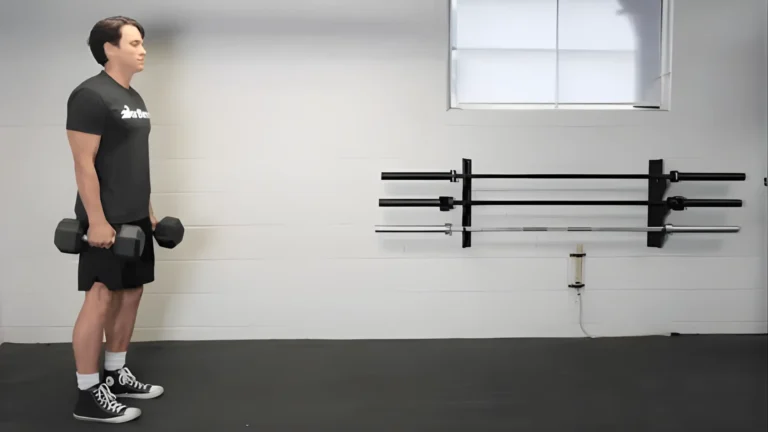
Before we dive into sets and reps, let’s first define the term rep (short for repetition). A rep is a single complete movement of an exercise. For example, in a bicep curl, one rep is the action of curling the dumbbell from its starting position to the top, and then lowering it back to the start.
In the simplest terms, reps refer to how many times you perform a specific exercise in a row without resting. When it comes to fitness, the number of reps you do influences the outcome of your workout, whether you’re building muscle, improving strength, or focusing on endurance.
What Are Sets in Fitness?
A set refers to a group of consecutive reps. For instance, if you do 10 bicep curls in a row, that’s 1 set of 10 reps. Sets are how you structure your workout and determine the volume of your training. For example, if you perform 3 sets of 10 reps, you’ll complete 30 total reps in the exercise.
The number of sets you do influences the intensity and the total volume of your workout, which directly impacts your results.
Gym Sets and Reps: How Do They Work Together?
The relationship between sets and reps is fundamental to designing an effective workout. The key here is understanding the purpose behind the number of sets and reps you choose for your training.
- Low reps, more sets: This is generally used for strength training. Low reps (around 1–5 per set) with higher sets (4–6) allow you to lift heavier weights, leading to increases in maximal strength.
- Moderate reps, moderate sets: This is typically aimed at hypertrophy (muscle growth), where moderate reps (6–12) and moderate sets (3–5) are used. This balance provides enough volume to stimulate muscle fibres, leading to muscle growth.
- High reps, fewer sets: This is more common for endurance training, where you may perform 15–20+ reps per set with fewer sets (1–3). The focus is on building endurance rather than size or strength.
So, understanding how to use the right combination of sets and reps based on your fitness goals is key.
How Many Reps Should I Do?
This is a common question, and the answer depends on your specific fitness goals.
- For Strength: If your goal is to increase strength, you’ll typically aim for lower rep ranges (1–5 reps per set) with heavier weights. Strength training requires more rest between sets to allow your muscles to recover fully. Typically, you’d perform 4–6 sets of 1–5 reps for each exercise.
- For Muscle Growth (Hypertrophy): To build muscle, aim for moderate reps (6–12 per set) with moderate weight. This is the sweet spot for hypertrophy because it provides a good balance of time under tension and volume. 3–5 sets of 6–12 reps will give you the best chances for muscle growth.
- For Endurance: If you’re training for muscular endurance, you’d typically perform 12–20+ reps per set with lighter weights. Fewer sets (1–3) are used to focus on building stamina, rather than increasing muscle mass or strength.
Difference Between Sets and Reps: Why Does It Matter?
The difference between sets and reps comes down to their function in your training programme.
- Reps define the number of times you perform an exercise.
- Sets are groups of reps.
So, one way to think about it is that reps are the individual units, and sets are collections of those units. Adjusting the number of reps and sets you do can manipulate the intensity and volume of your workout, which helps you achieve your desired fitness results.
For example, you may perform 3 sets of 10 reps in squats, while doing 4 sets of 3 reps for deadlifts, depending on your goal of building muscle versus increasing strength.
How Many Sets and Reps to Build Muscle?
If you’re focused on muscle growth (hypertrophy), the best combination of sets and reps would typically be:
- Sets: 3–5 sets
- Reps: 6–12 reps per set
- Rest time: 60–90 seconds between sets
This structure provides enough volume and intensity to stimulate muscle fibres and encourage growth. When you perform your sets, aim to use a weight that allows you to complete the set with good form but feels challenging by the end of each set.
Strength Training Sets and Reps: The Key to Power and Performance
Strength training is all about improving your maximal lifting capacity. For this type of training, you would use heavier weights and lower rep ranges. Here’s how to structure it:
- Sets: 4–6 sets
- Reps: 1–5 reps per set
- Rest time: 3–5 minutes between sets
This longer rest allows your muscles and nervous system to recover fully, enabling you to lift heavier weights on each set. This high-intensity work is ideal for building pure strength and power.
Hypertrophy Sets and Reps: What You Need to Know
Hypertrophy (muscle growth) requires a different approach. This type of training involves moderate weights and a higher volume of work. Here’s how to approach hypertrophy:
- Sets: 3–5 sets
- Reps: 6–12 reps per set
- Rest time: 60–90 seconds between sets
By using a weight that challenges you around the 6–12 rep range, your muscles will be under tension long enough to trigger growth. The moderate rest time ensures that you’re maintaining enough intensity throughout the workout.
Conclusion:
Now that you understand the difference between sets and reps and how they impact your workout, you can start tailoring your training to your specific goals. Whether you’re aiming to build muscle, increase strength, or improve endurance, the key is to find the right combination of sets and reps to suit your needs.
If you’re unsure about how to structure your workouts or want to take your fitness to the next level, feel free to check out my Personal Training, Sports Performance, and Online Live Coaching services. I can help you create a plan that’s right for you.
Ready to get fit? Explore our Personal Training and Online Live Coaching services to take your fitness journey to the next level!
FAQ’s
How many sets and reps should I do for fat loss?
For fat loss, it’s not so much about the number of sets and reps but about the overall intensity and calorie expenditure. You should focus on high-intensity, full-body workouts that include compound movements. A common structure would be 3–4 sets of 8–12 reps with shorter rest times (30–60 seconds) to keep your heart rate elevated.
Is it better to do more reps or more sets to build muscle?
Both are important, but the sweet spot for muscle growth is typically 3–5 sets of 6–12 reps. You want to ensure you’re doing enough volume (through sets and reps) while using a challenging weight to stimulate muscle fibres effectively.
What happens if I do too many reps?
If you do too many reps with a lighter weight, you may not achieve optimal hypertrophy or strength gains. Too many reps may focus more on endurance and less on the intensity needed for muscle growth or strength development.
Can I build strength with high reps?
While high reps (12–20) focus more on endurance, they can help build muscular endurance and improve muscle tone. However, for pure strength, lower reps (1–5) with heavier weights are more effective.
How should I structure my reps and sets for a full-body workout?
A typical full-body workout might involve 3 sets of 8–12 reps per exercise, focusing on compound movements like squats, deadlifts, and presses. Adjust the reps and sets based on your fitness goals.