Today, I’m diving into the world of heart rate training a method not just reserved for elite athletes but also incredibly beneficial for everyday fitness enthusiasts. Whether you’re just starting or looking to enhance your training, understanding heart rate zones is key. A heart rate zone calculator can be an invaluable tool to tailor your workouts effectively.
Whether you’re a fitness rookie or a seasoned marathoner, understanding heart rate zone training is your secret weapon for achieving peak performance and health. This guide will explain the science of heart rate training, show you how to calculate your zones, and demonstrate how to use them to maximize your workouts.
Heart Rate Training: A Must-Know for All Fitness Levels
Heart Rate Training and Its Universal Appeal
Heart rate training tailors your workout to your body’s current needs. It’s about training smarter, not harder, to achieve goals like weight loss, improved endurance, or overall health.
Understanding Heart Rate Zones
Your heart rate during exercise reflects your workout’s intensity. Training in different heart rate zones targets various aspects of fitness, from endurance to power.
Applying Heart Rate Zones: A Practical Example
Meet John: A Case Study
John is a 34-year-old individual, 175cm tall, weighing 78kg, with a resting heart rate of 60 bpm. He recently began a fitness regimen, working out twice a week at our London facility near Great Portland St and Regent’s Park. John also benefits from one-on-one and online training sessions.
Using a Heart Rate Zone Calculator
To tailor John’s training, we use a heart rate zone calculator. By inputting his age, height, weight, and resting heart rate, we can determine the zones he should be training in. Common formulas include:
- Tanaka’s Method: 208 – (0.7 × age)
- Gulati’s Method (women): 206 – (0.88 × age)
John’s Calculation:
208 – (0.7 × 34) = 184 bpm
184 × 65% = 120 bpm
John’s Personalised Heart Rate Zones
- Zone 1 (Recovery): 50%–59% – Ideal for warming up and cooling down.
- Zone 2 (Fat-Burning): 60%–69% – Perfect for moderate-intensity workouts, improving aerobic fitness and burning fat.
- Zone 3 (Aerobic): 70%–79% – Enhances cardiovascular health and endurance.
- Zone 4 (Anaerobic): 80%–89% – Improves speed and performance in short, intense sessions.
- Zone 5 (VO2 Max): 90%–100% – Reserved for very short bursts of high-intensity training.
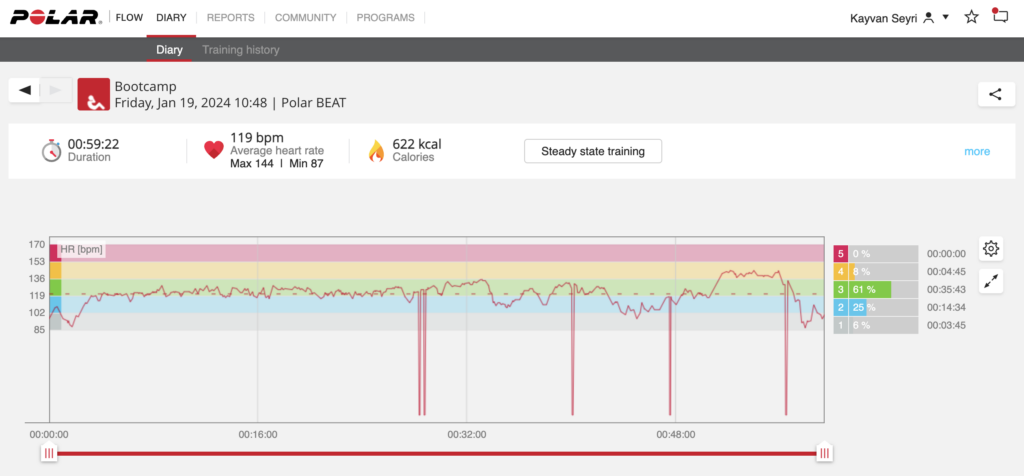
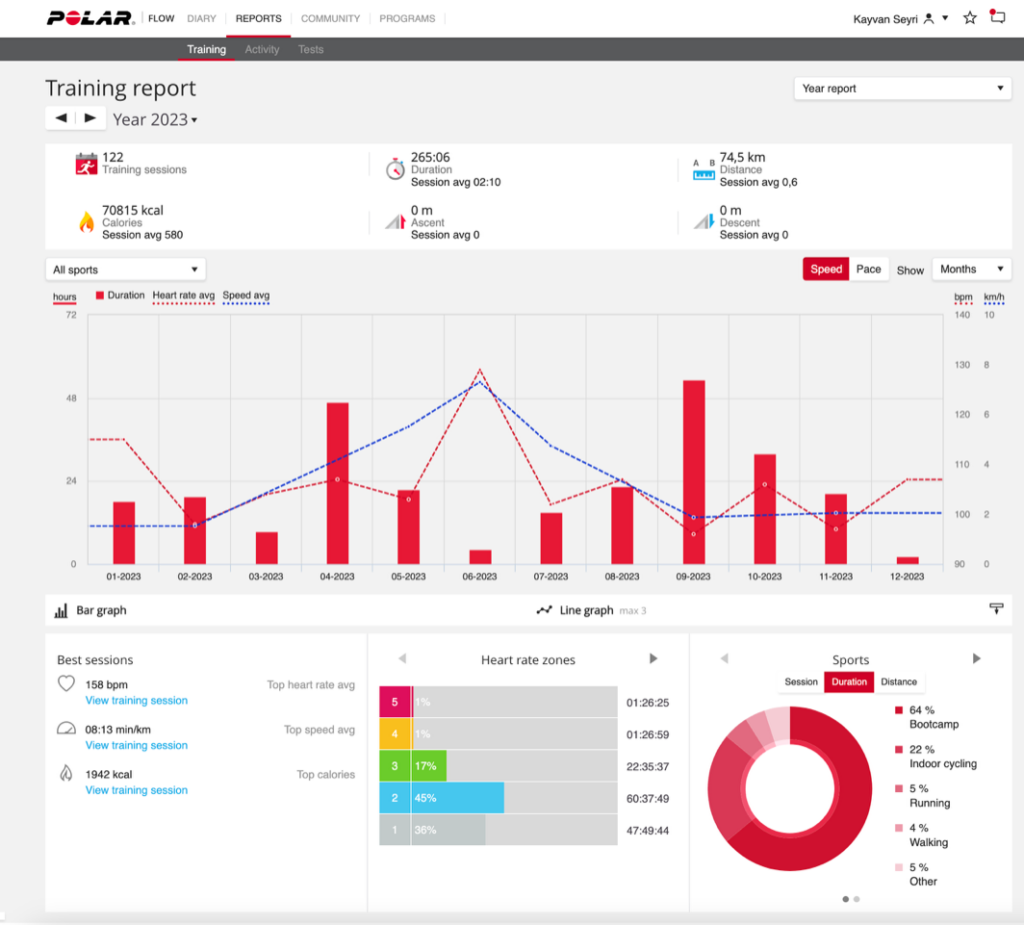
Platforms like Polar provide detailed analyses of training sessions, showing time spent in each zone and tracking various activities. The key takeaway: consistency and frequency in exercise are the most important factors in improving fitness and performance.
Incorporating Heart Rate Training into Your Daily Routine
Starting Your Heart Rate Training Journey
Beginners like John should start in lower-intensity zones (Zones 1 and 2) and gradually incorporate higher zones. This ensures steady progress without overwhelming the body.
Balancing Your Workouts
A balanced routine involves varying training across different heart rate zones. This variety keeps workouts interesting and stimulates multiple aspects of fitness development.
FAQ’s
How can I calculate my heart rate zones?
Use a heart rate zone calculator by inputting age, resting heart rate, and other details.
Is heart rate training effective for weight loss?
Yes. Training in the correct zones optimizes fat burning and metabolic efficiency.
What should I do if my resting heart rate changes?
Re-calculate your zones to reflect changes in fitness levels.
How do I measure my resting heart rate (RHR)?
Sit quietly and measure your pulse for 60 seconds, preferably in the morning before getting out of bed.
Can heart rate zone training be used for any type of exercise?
Yes. Running, cycling, swimming, and even strength training can all be adapted to heart rate zones.
How accurate are heart rate monitors?
Chest straps are highly accurate. Wrist-based monitors have improved but may be less reliable during high-intensity or irregular movements.
Should I always train in my target heart rate zone?
Not every session needs to be zone-specific. Include recovery days and varying intensities.
What should I do if my heart rate is too high or too low during a workout?
Adjust intensity accordingly. Consult a professional if needed.
How often should I re-evaluate my heart rate zones?
Every few months or after significant changes in fitness, health, or age.
Can heart rate zone training help with stress or anxiety?
Yes. Lower zones promote relaxation and recovery, helping alleviate stress.
Is heart rate zone training safe for people over 50?
Yes, but consult a GP before starting, especially with existing health conditions.
Conclusion
Heart rate training is a powerful, adaptable tool for everyone. As a personal trainer and performance coach, I’ve seen remarkable results in clients of all fitness levels. Whether you’re starting your fitness journey or are a seasoned athlete, understanding and utilizing your heart rate zones can significantly improve training efficiency and effectiveness.
Stay connected on Instagram @kayvanseyri and my YouTube channel for tips, motivation, and insights. For personalized programming and training guidance, visit www.kayvanseyri.com. Let’s embark on a journey toward a stronger, healthier you.
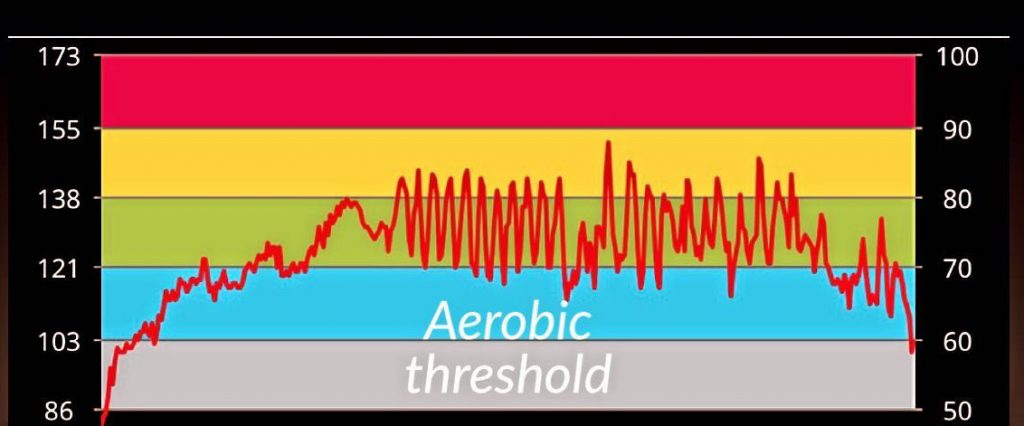
Heart Rate Zones Overview
These five heart rate zones indicate training intensity. Calculate your zones and start training across all five for optimal results.